Understanding Long Term Capital Gain Tax (LTCGT) here
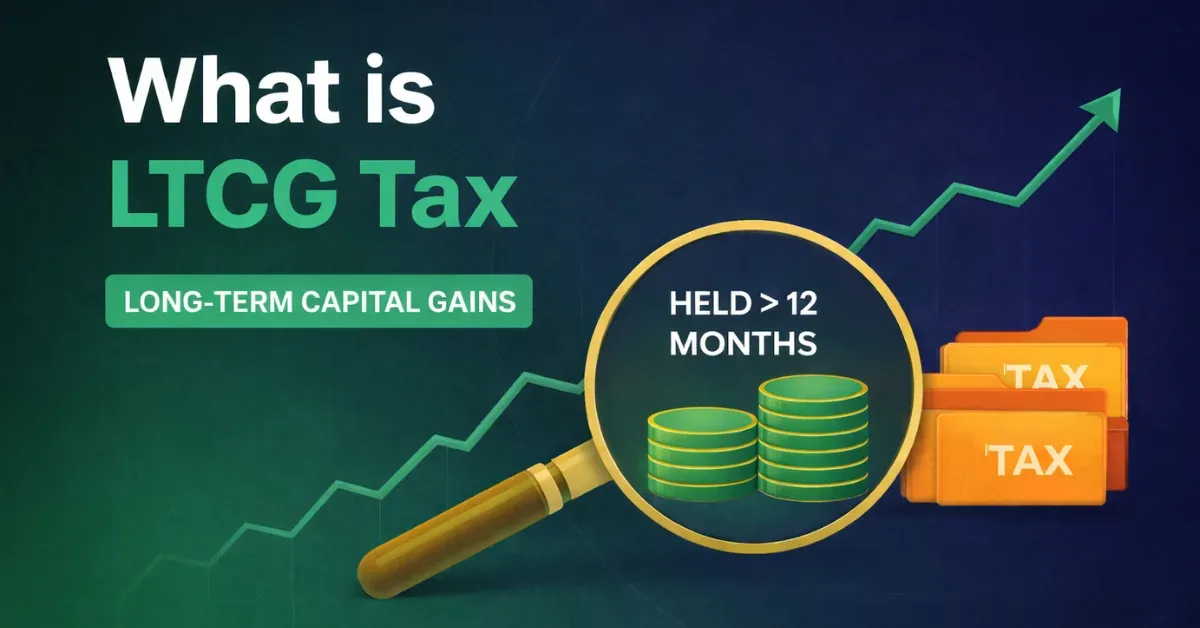
The Long Term Capital Gain Tax (LTCGT) is a type of tax levied on profits made from the sale of long-term investments, such as stocks, real estate, and mutual funds. It is a significant aspect of personal finance and taxation in many countries, including India.
To qualify for LTCGT, the investment must be held for at least 24 months (two years) from the date of purchase. This duration is critical in determining the tax liability on the sale of such investments.
How LTCG Tax is Calculated according to the Indian government
The LTCG tax is calculated based on the profit made from the sale of the investment. The formula for calculating LTCG tax is as follows:
Long Term Capital Gain = (Selling Price - Cost of Acquisition) - Indexation Benefit
Where:
- Selling Price: The price at which the investment is sold.
- Cost of Acquisition: The price at which the investment was purchased.
- Indexation Benefit: The benefit of inflation adjustment, which is calculated based on the Consumer Price Index (CPI). For more information on CPI, visit Wikipedia.
Example of LTCG Tax Calculation
Let's consider an example to illustrate the LTCG tax calculation:
Suppose an individual purchases 100 shares of XYZ Ltd. at Rs. 100 each on January 1, 2018. The individual sells the shares on January 1, 2022, for Rs. 150 each. The total selling price is Rs. 15,000 (100 shares x Rs. 150 each).
The cost of acquisition is Rs. 10,000 (100 shares x Rs. 100 each). The indexation benefit is calculated based on the CPI, which is 8% per annum. Assuming a 24% LTCG tax rate, the LTCG tax liability would be as follows:
Long Term Capital Gain = (Selling Price - Cost of Acquisition) - Indexation Benefit
Long Term Capital Gain = (Rs. 15,000 - Rs. 10,000) - (Indexation Benefit) = Rs. 5,000 - (Rs. 10,000 x 8% x 4 years) = Rs. 5,000 - Rs. 3,200 = Rs. 1,800
LTCG Tax Liability = Rs. 1,800 x 24% = Rs. 432
Therefore, the LTCG tax liability on the sale of the shares is Rs. 432.
Smart Strategies to Minimize LTCG Tax
There are several strategies that can help minimize the LTCG tax liability:
1. Holding Period
The holding period is critical in determining the LTCG tax liability. If the investment is held for more than 24 months, it qualifies for LTCG tax. Therefore, investors should aim to hold their investments for at least 24 months to minimize the tax liability.
2. Indexation Benefit
The indexation benefit can significantly reduce the LTCG tax liability. Investors can claim the indexation benefit by adjusting the cost of acquisition for inflation, which can reduce the LTCG tax liability.
3. Tax-Efficient Investing
Investors should consider tax-efficient investing strategies, such as investing in tax-efficient mutual funds or tax-loss harvesting. These strategies can help minimize the LTCG tax liability.
Filing LTCG in Your Tax Return
Filing LTCG in your tax return requires a detailed understanding of the tax laws and regulations. Here are the steps to follow:
1. Determine the LTCG
The first step is to determine the LTCG, which includes calculating the profit made from the sale of the investment. This can be done using the formula mentioned earlier.
2. Calculate the LTCG Tax Liability
Once the LTCG is determined, the next step is to calculate the LTCG tax liability. This involves applying the LTCG tax rate to the LTCG.
3. Disclosure in Tax Return
The LTCG tax liability must be disclosed in the tax return, along with the details of the investment, such as the cost of acquisition and the selling price.
4. Payment of LTCG Tax
The LTCG tax liability must be paid along with the tax return, failing which penalties and interest may be levied.
In conclusion, LTCGT is an important aspect of personal finance and taxation. Understanding the LTCG tax calculation, smart strategies to minimize LTCG tax, and filing LTCG in your tax return are critical for investors to minimize their tax liability and maximize their returns. Additionally, you can consult an expert tax consultant for personalized advice.
Disclaimer
The information provided in this article is for general information purposes only and should not be considered as professional advice. Investors should consult a tax professional or financial advisor to determine their specific tax liability and minimize their tax liability.




&w=256&q=75)